


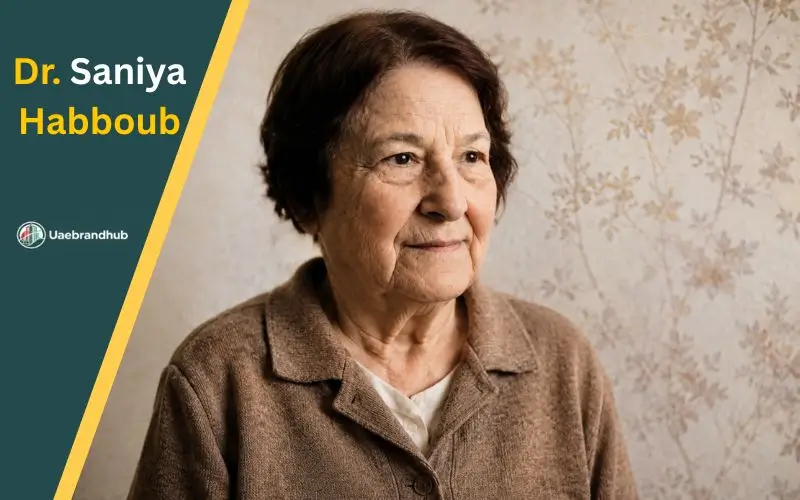
In the last few years, the healthcare industry in the Emirates has experienced rapid growth. Modern hospitals, digital healthcare, and advanced treatment systems have transformed the way that patients receive medical attention. This transformation is largely due to the skilled doctors and healthcare professionals.
Saniya Habboub, a respected figure in the healthcare industry, is well-known for her professional contributions to medical services and leadership within healthcare. Many people look online for information about doctors with experience in the healthcare sector of the region.
Hospitals are increasingly focusing on the quality of patient care, medical technology and operational efficiency. Modern healthcare systems are increasingly in need of doctors with strong leadership skills and medical knowledge.
| Quick Summary | Details |
| Full Name | Dr. Saniya Habboub |
| Profession | Medical Professional |
| Industry | Healthcare Sector |
| Known For | Medical Leadership & Patient Care |
| Region | Emirates & Middle East |
| Field | Medicine & Healthcare Services |
| Experience | Professional Healthcare Practice |
| Recognition | Healthcare Contribution |
Early Childhood and Educational Background
Academic discipline and years of commitment are the foundation for any successful healthcare professional. The medical field is constantly evolving, which requires constant learning, patience and consistency. Before entering the healthcare profession, doctors spend years studying topics such as treatment procedures, patient care and diagnostics, medical ethics, etc.
Healthcare professionals in the UAE are highly valued for their strong educational background, as modern hospitals need specialists who can handle advanced medical systems.
The Importance of Medical Training
Medical education is one the most challenging academic paths. Professional training is essential for doctors, who are responsible to ensure the health and safety of their patients.
Health professionals typically study:
- Human Anatomy
- Clinical medicine
- Emergency care
- Pharmacology
- Medical Ethics
- Diagnostic procedures
These topics help doctors to develop the technical skills necessary for patient care and healthcare management.
Continuous Learning in Healthcare
The medical science is constantly evolving due to technological advances and new treatment methods. Workshops, seminars and professional healthcare programs are used by doctors to update their knowledge. The hospitals in the Emirates encourage continual learning, as healthcare standards are improving each year.
The ongoing education of medical professionals helps them provide better and safer healthcare services.
Dr. Saniya Habboub’s Professional Career
Healthcare requires medical expertise as well as professional discipline. In leadership roles, doctors often have to manage both patient care and healthcare operations.
Dr. Saniya Habboub has been recognized for her contributions to healthcare and medical services in the region. Healthcare professionals with experience can improve the quality of treatment and efficiency in clinics and hospitals.
Modern healthcare institutions rely heavily on professionals with a thorough understanding of both clinical treatment and organizational co-ordination.
Contribution to Healthcare Services
In hospitals and clinics, healthcare professionals have a variety of contributions to make. They support patient treatment, medical supervision, and healthcare planning.
Doctors are essential in the treatment of:
- Consultations with patients
- Treatment planning
- Healthcare coordination
- Clinical supervision
- Medical decision-making
Healthcare services in the Emirates continue to grow because patients are demanding faster and better treatment.
Hospitals can improve healthcare access by retaining experienced medical professionals who help maintain standards.
Leadership Responsibilities
Leadership and teamwork are essential in modern hospitals. Leadership positions in healthcare often involve coordination between administrative staff, medical departments, and nursing staff.
Leadership responsibilities can include:
- Team supervision
- Treatment quality monitoring
- Emergency coordination
- Patient safety management
- Clinical planning
Strong leadership can improve hospital organization and reduce operational problems.
As healthcare systems continue to grow, hospitals increasingly place a focus on developing leadership.
Healthcare Sector Growth in Emirates
Healthcare is one of the fastest growing sectors in the Emirates. The healthcare industry has been improved significantly by investment in hospitals, medical equipment, and treatment centers.
Modern healthcare facilities offer advanced treatment systems, which attract patients from all over the world.
Modern Hospitals Expanded
In major cities, both public and private hospitals have grown rapidly. Many hospitals now offer digital healthcare, advanced diagnostic systems and specialized surgeries.
Hospitals are increasingly focused on:
- Medical technology
- Specialized treatment departments
- Patient-centered care
- Digital healthcare systems
- International medical standards
The demand for healthcare professionals and specialists with experience has increased due to this expansion.
Digital Healthcare Development
The technology is changing the modern healthcare system. Digital tools are now used in hospitals for patient records and appointment systems. Diagnostics, healthcare monitoring, and diagnostics are also digitalized. Digital healthcare services increase efficiency and reduce administrative delays.
The convenience of patients has also been improved by the use of electronic medical records and online consultation systems.
Healthcare Leadership: It’s Important
Leadership is essential to maintaining the quality of healthcare and operational efficiency. Leadership positions in hospitals help doctors manage complex healthcare systems better.
Modern healthcare institutions rely heavily on communication and teamwork between departments.
Managing Medical Teams
In large hospitals, coordination is required between the doctors, nurses and technicians, as well as administrative staff. A strong healthcare leadership helps to improve teamwork and maintain an organized healthcare operation. Medical leaders can also improve the skills of younger healthcare professionals by providing guidance and supervision.
During emergencies, where rapid coordination is directly related to patient outcomes, effective leadership becomes even more important.
Improving Patient Experience
Modern healthcare systems have become increasingly focused on patient satisfaction. Hospitals are now focusing on communication, service standards, and treatment quality. Clear communication and an organized treatment system help healthcare professionals improve the patient experience.
Patients trust medical institutions that offer professional, compassionate and efficient services.
Achieving Professional Recognition
Professional contributions and dedication by healthcare professionals are often recognized after many years. Respect is usually accorded to doctors who maintain high standards of treatment.
Leadership positions, healthcare projects, patient care excellence and contributions to medical services are all examples of professional achievements.
Professional Reputation
In healthcare, a strong professional reputation is crucial. When choosing doctors and healthcare facilities, patients rely heavily upon trust.
Credibility is earned by healthcare professionals through:
- Ethical medical practices
- Treatment quality
- Communication Professionals
- Clinical expertise
- Patient care standards
Professionalism helps to improve public trust in healthcare systems.
Read Also: DPI Test Dubai
Contribution to Community Healthcare
Many healthcare professionals participate in educational and awareness campaigns about healthcare.
Often, community healthcare programs focus on:
- Preventive healthcare
- Healthy lifestyle awareness
- Early diagnosis education
- Public Health Improvement
These programs improve the overall health of communities and increase healthcare awareness in the region.
Challenges for the Medical Profession
Medical professions are physically and mentally demanding. Doctors are often required to work long hours in order to manage emergency situations and complex patient situations.
Medical professionals need to remain calm when under pressure, as their decisions could directly impact patient safety.
Balancing Multiple Responsibilities
In modern healthcare systems, doctors often have to manage administrative and clinical responsibilities.
It is important to be strong.
- Time management
- Ability to make decisions
- Emotional discipline
- Communication skills
Maintaining healthcare efficiency and quality requires a balance between these responsibilities.
Read Also: Salama Alabbar
Continuous Professional Pressure
Medical science is constantly changing, so healthcare professionals must update their knowledge regularly. Doctors attend regular training sessions and workshops in order to stay updated on modern treatment standards and healthcare technology.
The continuous learning process improves patient outcomes.
Modern Healthcare Technology
The technology has revolutionized healthcare in the Emirates. The use of advanced digital tools in hospitals has improved diagnosis, treatment and patient monitoring.
Electronic Medical Records
Digital patient records can help hospitals better organize their healthcare information.
Electronic systems are improving:
- Management of appointments
- Medical History Tracking
- Prescription handling
- Treatment coordination
It reduces the amount of paperwork and increases operational speed.
Telemedicine Services
Modern medical systems are increasingly using online consultations for healthcare.
Telemedicine is a way for patients to receive healthcare remotely. It improves convenience and reduces travel requirements.
The technology is especially useful in routine health advice and follow-up consultations.
Artificial Intelligence for Healthcare
Artificial intelligence has been used for a number of years in various areas, including imaging analysis, patient monitoring, and diagnostics. Modern technology helps hospitals improve their accuracy in healthcare and efficiency. Over the next few years, healthcare innovation will continue to grow.
Role of healthcare professionals in society
Doctors and other healthcare professionals are vital to the health and safety of society. Healthcare professionals provide support to communities by providing treatment services, public awareness programs, and preventive healthcare.
A strong healthcare system is essential for social and economic development.
Public Trust in Medical Experts
In difficult situations, patients rely heavily on the healthcare professionals. Due to this, professionalism and trust are still extremely important in the medical field. Public respect is often long-lasting for doctors who uphold high ethical standards and provide quality treatment.
Professional contributions to healthcare also help strengthen the confidence in hospitals and healthcare facilities.
Future of Healthcare in Emirates
Healthcare innovation, technology and infrastructure development are expected to drive the healthcare industry in the Emirates.
Hospitals are investing more in:
- Artificial intelligence
- Smart Healthcare Systems
- Digital Monitoring
- Robotic surgery
- Advanced Diagnostics
This will require healthcare professionals to be highly trained and able to adapt to the modern medical environment.
Leadership in healthcare will continue to be important, as hospitals must find a balance between innovation and patient safety.
Read Also: Asma Hamza
Conclusion:
Healthcare in the Emirates is evolving due to modern hospitals and highly-skilled medical professionals. The healthcare system now requires experts who can combine medical expertise with leadership, communication and operational efficiency. Dr. Saniya Habboub has been associated with professional medical services and healthcare contributions within this rapidly expanding healthcare environment. The public’s interest in healthcare experts is a reflection of the importance that medical professionals have in modern society.
As healthcare systems progress, hospitals will depend more and more on professionals who are able to adapt to new technologies as well as changing patient expectations. Leadership, professionalism and continual learning will continue to be essential qualities in the healthcare industry.
Read Also: Arab Culture Club
FAQs
Who is Dr. Saniya Habboub
Dr. Saniya Habboub has been a professional in the healthcare sector for many years.
Why has Dr. Saniya Habboub been recognized?
She was recognized for her contributions to healthcare leadership, medical services and patient care.
Why is leadership in healthcare important?
Leadership in healthcare improves hospital organisation, treatment quality and coordination of operations, as well as patient safety.
What is the growth of the healthcare industry in the Emirates?
Modern hospitals, advanced technologies, digital health systems, and specialized services are all contributing to the expansion of the healthcare industry.
What are the challenges facing healthcare professionals?
Doctors are often faced with long work hours, emergency responsibilities and emotional pressure.
Why is technology so important in healthcare
The technology improves hospital efficiency, accuracy of diagnosis, monitoring and treatment, as well as patient care.
What is the future healthcare of the region?
Smart hospitals, digital healthcare, artificial intelligence and advanced treatment technology are the future of healthcare.
