


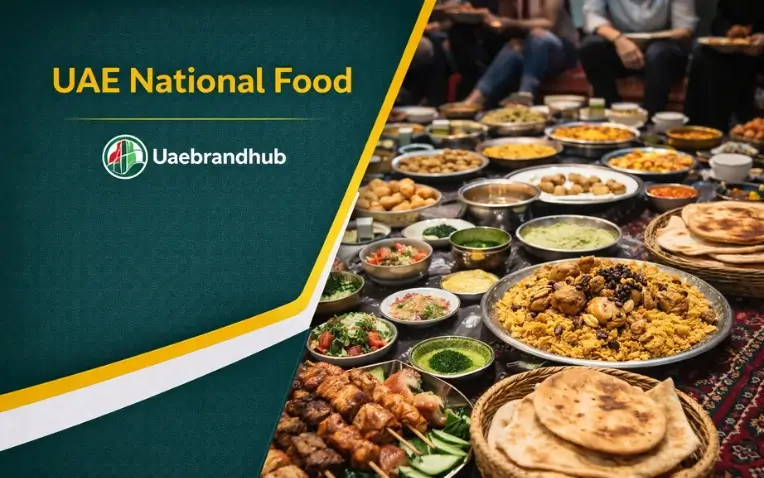
The UAE national food is not only a culinary marvel, but also the pride of the nation, its heritage, deserts, and national tradition. Emirati food has developed throughout the centuries as the local foods, such as dates, rice and seafood, interact with the spices and methods of India, Persia, and the Levant. With nutritious rice and tender meat dishes, to sweet dumplings and breakfast made of vermicelli, the national food of UAE is a tasty experience that emphasizes hospitality, family meetings, and feasts.
This article will tell you about the most famous dishes, their cultural context, and traditional procedures of making them, and the restaurants where you should come to taste authentic flavors. We are also going to discuss the ingredients, tips as to visiting the Emirati restaurants, and the amenities that they offer so that they could have a full-course meal.
Historical Roots and Cultural Significance
The national food of UAE has a strong historical background of Bedouin life when simple ingredients were enriched with rich and tasty food by slow cooking and attention to its preparation. Meals were created not just to feed but also to represent generosity since offering food to family, neighbors and guests were a major element of social life.
Bedouins ate dates, wheat, meat and fish, which was commonly cooked in clay pots over an open flame or sand oven. These techniques were used to maintain the natural flavours of ingredients and also to produce soft textures. With time, new spices and cooking methods were brought to the Emirati cuisine by exposure to trade routes with the Arabian Gulf, India, Persia, and the Levant which made the Emirati cuisine more diverse. Nowadays, the UAE national food is a delicate combination of tradition and innovation, which respects cultural backgrounds and accepts new preferences.

Iconic Emirati Dishes
The national food of UAE includes a variety of dishes, each with its unique preparation, flavor, and cultural importance.
Al Harees
Al Harees is one of the most revered dishes in Emirati cuisine. It is made from a mixture of wheat, meat (usually chicken or lamb), and ghee, slow-cooked for several hours until it reaches a creamy consistency. Traditionally prepared during Ramadan, Eid, and other festive occasions, Al Harees represent patience, hospitality, and the importance of family gatherings.
Machboos
Machboos is a fragrant rice dish cooked with meat or seafood and infused with spices such as saffron, cardamom, and cinnamon. Often served at large family events, weddings, or festive occasions, Machboos symbolizes generosity and celebration. The combination of aromatic rice and tender meat creates a dish that is both comforting and elegant.
Luqaimat
Luqaimat is a beloved sweet treat in the UAE, consisting of golden, deep-fried dumplings drizzled with date syrup or honey. Commonly served during Ramadan and national festivals, Luqaimat is a symbol of joy and indulgence. The crispy exterior and soft, sweet interior make it a favorite among both locals and visitors.
Balaleet
Balaleet is a unique breakfast dish made of sweet vermicelli, eggs, sugar, and spices like cardamom. It blends sweet and savory flavors and is typically enjoyed in the morning. Its preparation and presentation reflect the ingenuity of Emirati cooking, turning simple ingredients into a flavorful and satisfying dish.
Ghuzi
Ghuzi is a whole roasted lamb served with spiced rice and garnished with nuts. It is a celebratory dish, often prepared during weddings, Eid, and national holidays. The cooking process requires skill and attention to detail, reflecting the communal nature of Emirati dining, where friends and family participate in the preparation and enjoy the feast together.
Essential Ingredients in Emirati Cuisine
Understanding the ingredients used in the national food of UAE helps appreciate its unique flavors:
- Rice – The foundation of dishes like Machboos and Ghuzi.
- Dates – A staple in desserts and sweet treats like Luqaimat.
- Meat – Lamb, chicken, and sometimes camel, used in both everyday and festive dishes.
- Seafood – Fish and shrimp reflect the coastal culinary traditions.
- Spices – Cardamom, saffron, turmeric, cinnamon, and dried lime for aromatic depth.
- Ghee & Oils – Essential for slow-cooked dishes like Al Harees.
- Nuts & Dried Fruits – For garnishing celebratory dishes like Ghuzi.
These ingredients are carefully combined to create the rich, aromatic, and complex flavors that define Emirati cuisine.
Where to Experience Authentic Emirati Food
Visitors seeking the national food of UAE can explore a variety of restaurants that provide traditional dishes with authentic flavors and a welcoming atmosphere.
- Al Fanar Restaurant & Café – Located in Dubai, this restaurant offers nostalgic Emirati dining, with dishes like Al Harees, Machboos, and Luqaimat. The interiors reflect old UAE charm, providing an immersive cultural experience
. - Mezlai at Madinat Jumeirah – A luxurious dining destination offering Ghuzi, Al Harees, and other traditional dishes prepared with authentic techniques. Ideal for special occasions and cultural exploration.
- Logma – Known for casual Emirati meals, including Balaleet and Luqaimat, offering quick and relaxed dining experiences for families and tourists.
- Aseelah – Combines modern interpretations with traditional flavors, serving a range of Emirati dishes in Dubai’s contemporary culinary scene.
These restaurants typically provide:
- Family-friendly seating areas
- Prayer rooms with updated timings
- Parking facilities for convenience
- Clean restrooms and lounges
- Beverage and dessert options including Arabic coffee, fresh juices, and sweet treats
Popular Restaurants
- Al Fanar Restaurant & Café – Dubai-based, serves Al Harees, Machboos, and Luqaimat with family seating, prayer rooms, restrooms, and parking.
- Mezlai at Madinat Jumeirah – Luxurious dishes like Ghuzi and Al Harees, with elegant seating, prayer rooms, valet parking, and lounges.
- Logma – Casual Emirati meals including Balaleet and Luqaimat, indoor/outdoor seating, dessert counters, parking, and restrooms.
- Aseelah – Modern takes on traditional dishes such as Machboos and Al Harees, family seating, prayer facilities, spacious dining, parking, and beverages.
Key Details of Iconic Emirati Dishes
| Key Ingredients | Cooking Method | Popular Restaurants | Best Time to Try | Key Ingredients |
| Wheat, meat, ghee | Slow-cooked | Al Fanar, Mezlai | Ramadan & festivals | Wheat, meat, ghee |
| Rice, meat/seafood, spices | Cooked together | Mezlai, Aseelah | Lunch & dinner | Rice, meat/seafood, spices |
| Flour, sugar, date syrup/honey | Deep-fried | Logma, Al Fanar | Afternoon & festivals | Flour, sugar, date syrup/honey |
| Vermicelli, eggs, sugar, spices | Boiled and sweetened | Logma, Aseelah | Breakfast & brunch | Vermicelli, eggs, sugar, spices |
| Whole lamb, rice, nuts | Roasted | Mezlai, Aseelah | Special occasions | Whole lamb, rice, nuts |
Dining Tips for Tourists and Locals
When enjoying the national food of UAE, consider these tips:
- Best Visiting Hours – To avoid crowds, visit restaurants earlier in the day or later in the evening. Lunch (12 PM – 3 PM) and dinner (7 PM – 10 PM) are typically the busiest.
- Reservations – For popular restaurants, especially during festivals or Ramadan, booking in advance is recommended.
- Family-Friendly Options – Many Emirati restaurants provide kids’ areas, family seating, and prayer rooms.
- Cultural Etiquette – Use the right hand while eating, and respect local customs and traditions.
- Food Festivals – Participating in food festivals across the UAE is a great way to sample multiple traditional dishes in one visit, often including live cooking demonstrations.
Modern Adaptations of Traditional Cuisine
While the national food of UAE is rooted in tradition, modern chefs have started experimenting with flavors, presentation, and fusion concepts:
- Contemporary Restaurants – Places like Aseelah and modern branches of Al Fanar have adapted traditional dishes with modern plating while keeping flavors authentic.
- Fusion Menus – Some restaurants mix Emirati ingredients with international cooking styles, offering dishes like saffron-infused pasta or date-flavored desserts.
- Health-Conscious Options – Many eateries now provide lighter versions of traditional dishes, such as grilled meats instead of fried, brown rice instead of white, and sugar-free Luqaimat.
These adaptations help Emirati cuisine appeal to a wider audience without losing its cultural essence.
Facilities at Emirati Restaurants
To enhance dining experiences, restaurants offering the national food of UAE provide:
- Spacious Seating – Comfortable indoor and outdoor seating for families, friends, and large groups.
- Prayer Rooms – Designated spaces with updated prayer timings.
- Parking – Ample parking facilities for diners.
- Restrooms – Well-maintained and accessible.
- Dessert & Beverage Counters – Offering sweets like Luqaimat, dates, Arabic coffee, and fresh juices.
- Accessibility – Wheelchair-friendly entrances and seating arrangements.
Experiencing Emirati Food RICE
The UAE has a number of food festivals all year round, where they celebrate the national food of UAE and provide visitors with the most immersive food experience. Dubai Food Festival embraces Emirati chefs, live cooking programs and tasting areas where one can get to taste the traditional dishes. On the same note, the Abu Dhabi Food Festival also puts an emphasis on the local cuisine by offering education, workshops, and family-friendly activities using cultural storytelling. Ras Al Khaimah Food Week is dedicated to the regional cuisine and exotic dishes based on the seafood, Emirati culinary traditions, and classic desserts, reflecting the versatility of the Emirates cuisine. Visiting such festivals is a wonderful option to sample various foods, view the customs of making the dishes, and enjoy the cultural meaning of a specific meal.

Conclusion
The UAE national food is the core of the Emirati culture. Whether it is the slow-cooked creaminess of Al Harees and the aromatic Machboos or the sweet placebo Luqaimat and the feast of Ghuzi, all dishes are stories of tradition, hospitality, and family. Tasting these foods in authentic restaurants such as Al Fanar, Mezlai, Logma, and (Aseelah) enables the visitor to have the true taste besides enjoying the contemporary facilities.
As a local resident or a tourist, taste of the national dish of UAE is not only a gustation of the cultural heritages, the nature of the community spirit, and the pride of the Emirates. Knowing the ingredients cooked, the cooking techniques, and the table manners will guarantee the eating experience has been worthwhile and enjoyable.
FAQ
What is the national food of UAE?
Al Harees is one of the most iconic dishes representing Emirati culture.
Where can I taste authentic Emirati food?
Restaurants like Al Fanar, Mezlai, Logma, and Aseelah serve traditional Emirati dishes.
Are Emirati restaurants family-friendly?
Yes, most provide seating for families, prayer rooms, and children’s areas.
What are popular Emirati desserts?
Luqaimat, dates, and sweet pastries are among the most loved desserts.
Can I try Emirati food during festivals?
Yes, dishes like Al Harees and Ghuzi are commonly served during Ramadan and national celebrations.
Has Emirati cuisine been influenced by other countries?
Yes, influences from Persia, India, and the Levant have enriched Emirati dishes while maintaining traditional flavors.
