


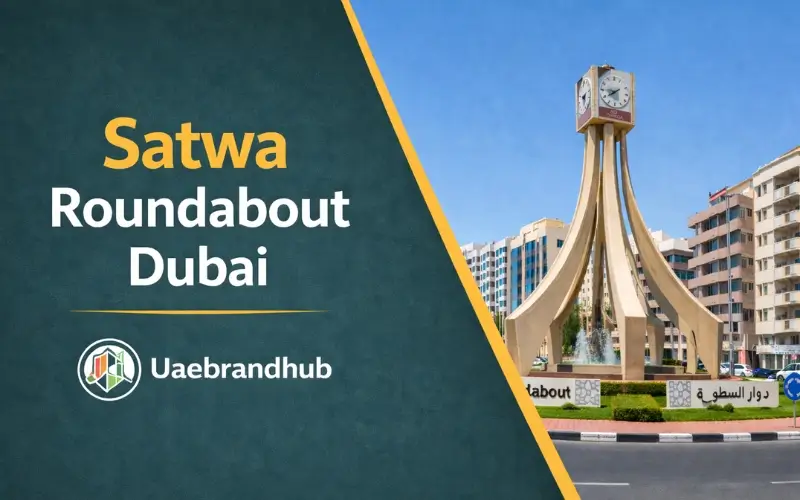
Satwa Roundabout Dubai is one of the key junctions of Dubai’s central urban landscape. It serves as a connector for multiple residential, transit, and commercial routes. It is a key junction in the central urban landscape of Dubai, managing traffic and connecting several major roads essential for commuters to travel across the city.
This roundabout is more than just a traffic structure. It is also a mobility hub for thousands of commuters every day. The roundabout’s strategic location allows for smooth travel between older districts, as well as modern developments. It is therefore an important reference point for drivers and users of public transport.
Satwa Roundabout Dubai’s importance is also a result of its surroundings, which include busy residential areas, shops and streets. This combination results in a constant flow of activity all day long, making it the busiest junction of the area.
Strategic Location and Urban Role
Satwa roundabout is located in Dubai, a city that has many key zones. It’s a great place to connect multiple routes. It distributes traffic efficiently, offering multiple directional exits to different parts of the City.
This junction is often used by commuters as a link or shortcut between districts. This junction reduces travel times and simplifies navigation for commuters, particularly those who frequently move between residential and commercial areas.
This infrastructure supports a smooth and efficient urban movement. The roundabout is an integral part of the city transport system.
Road Network and Connectivity Systems
This junction’s integration with the larger Dubai road network junction Satwa is one of its strongest features. It is a vital part of the daily commute because it connects to multiple internal roads, and gives direct access to major highways.
This junction balances traffic by providing multiple entry and exit points. This helps to reduce congestion in nearby streets, and increases traffic efficiency.
It is important to connect commuters with one of the most busy highways in the area. It allows for fast travel across long distances, and is suitable for both commercial and personal transportation.
Satwa Roundabout
It is known for the practical design of its junction and its high capacity to handle traffic. The junction is designed to support continuous vehicle movement and reduce traffic pressure by effectively distributing traffic.
Main Features
- Connecting multiple cities with a central connection point
- Supports short-distance as well as long-distance traveling
- Integrated with public transport routes
- The surrounding residential and commercial zones
- It is a landmark that drivers can use to navigate.
This makes it one of most reliable junctions when planning daily commutes and transport.
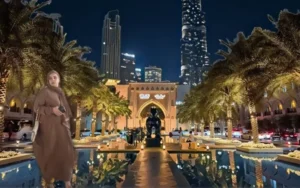
Residential and Community Environment
Al Satwa, the residential area surrounding Dubai, adds value to this intersection due to its densely populated and active community. This area is made up of apartment buildings, shops and services essential to daily life.
Residents depend heavily on the roundabout Al Awir Immigration Office Dubai commute to work, school, and commercial areas. This roundabout is a constant traffic area throughout the day.
Around the roundabout, there are many shops, restaurants, and service centres that contribute to the continuous economic activity.
Local Landmarks and Areas Nearby
Bur Dubai’s proximity to the Satwa Roundabout Dubai makes it a hub for connecting older and newer parts of the city. This area is home to commercial streets, cultural areas, and government service centres.
The roundabout is often used by visitors to navigate nearby landmarks. Residents and tourists alike enjoy the mix of historical and commercial significance that makes this region a popular destination.
Satwa’s roundabout and nearby landmarks can also improve navigation for visitors, particularly first-timers who depend on city markers.
Traffic Flow and Daily Movement
The traffic around the Al Satwa Dubai circle is dynamic and changes according to the time of the day. The junction is a busy intersection during peak hours due to commuters from offices and students.
Traffic flow is smoother at non-peak hours, making it easier to move between roads. The roundabout design helps to manage traffic congestion by spreading vehicles out across multiple exits.
Despite heavy traffic, the system continues to function due to its structured road planning and ongoing traffic management efforts.
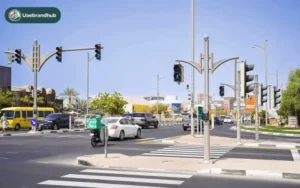
Transport Connectivity and Public Movement
Satwa Dubai’s transport connectivity is a key component of the daily lives of residents and commuters. This junction is vital for the smooth movement of public buses, taxis and private vehicles throughout the city.
The station is a vital link between the residential and commercial areas, which allows people to travel quickly without any delays. It is therefore an important part of the public transport system.
Multiple transport options make the roundabout accessible to all commuters.
Directions and Navigation
Due to the central location of this junction and its multiple routes, it is widely used as a navigation system. This point is frequently used in digital maps and transportation guides as a reference for directions.
This junction allows travelers to move around the city easily and without confusion. Multiple exits reduce the complexity of travel and increase route flexibility.
It is especially helpful for those who deliver, drive-hailing services and are first-time visitors.
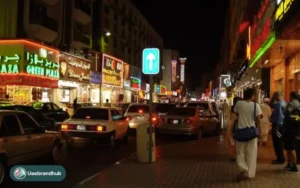
The Junction Its Advantages
Roundabouts offer many practical benefits that can improve the efficiency of urban transport and daily movement.
Travel is faster and more flexible. The system supports both private and public transport, which helps to reduce the pressure on nearby roads.
Its central location also helps to improve city connectivity, by connecting residential, commercial and highway routes all in one place.
Key Features of the Intersection
The intersection plays an important role in the city’s road network due to several key features. It serves as a central connectivity point between major city streets, allowing smooth movement across different areas. The location is also well integrated with public transport routes, making it accessible for both commuters and visitors. In addition, it handles a high volume of daily traffic with efficient management, helping to reduce congestion during peak hours. The surrounding area includes both residential and commercial activity, which increases its importance as a busy urban zone. It also acts as a directional reference point, making navigation easier for people traveling through the city.
Read Also: Baniyas Square Station Dubai
conclusion
The Satwa Roundabout Dubai is a major transportation hub, which plays an important role in connecting the different parts of Dubai. The roundabout’s central location, along with its integration into major roads, makes it an important point for urban mobility and daily commutes.
It is surrounded by both residential and commercial areas and helps to improve accessibility for residents and visitors. The junction contributes to a better urban transport network by maintaining a steady traffic flow.
FAQs
Why is Satwa Roundabout Important?
The road is a major thoroughfare that supports daily traffic.
Public transport is available at Satwa Roundabout?
Buses and taxis are available frequently in the area.
What are the areas near this junction?
Satwa and Bur Dubai are nearby, as well as several commercial zones.
Is traffic heavy in this area?
Yes, particularly during peak morning and evening hours.
Can visitors easily navigate the site?
It is used to guide people in the right direction.
What kind of roads are there?
It connects to major highways and city streets.
Why is it used to make a comparison?
It is located centrally and connects to multiple important routes.
