


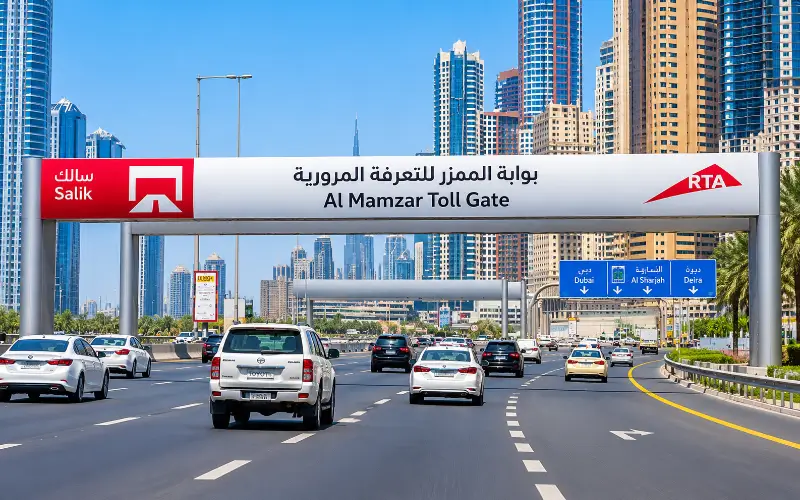
Navigating the multi-lane highway networks of the United Arab Emirates is highly efficient but driving between different emirates requires a clear understanding of regional road infrastructure. The two largest metropolitan areas utilize distinct electronic, barrier-free toll networks to manage high-volume traffic flows. When comparing Salik vs DARB, drivers must recognize that while both systems eliminate physical toll booths, their operational hours, baseline tariff structures and billing cycles feature unique regional rules.
For long-term subscribers and temporary operators, mastering these automated transit rules prevents unexpected invoicing adjustments and keeps monthly travel budgets fully optimized.
Long-Term Impact for Intercity Subscribers
Daily highway travel rapidly scales up automated toll tracking volumes, making route planning essential for multi-month commuters. If your career requires a steady daily commute inside the commercial center, checking active monthly car rental Dubai fleet plans allows you to lock in competitive, all-inclusive baseline rates that cover routine mechanical maintenance and insurance.
However, if your schedule involves regular travel down the E11 highway to the capital, cross-referencing localized monthly car rental Abu Dhabi inventory tiers ensures you preserve multi-city flexibility. Factoring both the continuous Salik fees and peak-hour DARB costs directly into your monthly transportation plan prevents unexpected variations in your monthly expense tracking.
Technical Overview: Electronic Road Tolls in the UAE
Traditional toll barriers that require drivers to slow down or stop to pay with cash do not exist on major UAE expressways. Instead, the country relies on advanced Radio Frequency Identification (ID) overhead gantries.
- Windshield Tracking: High-speed electronic sensors positioned across highway entry points scan pre-registered vehicle tags or license plates automatically as vehicles pass underneath at standard speed limits.
- Seamless Flow: This infrastructure minimizes highway congestion bottlenecks but it shifts the administrative responsibility onto the vehicle operator to track rolling micro-transactions accurately.
How Salik vs DARB Works: Regional Infrastructure Split
The geographical distribution of toll infrastructure depends entirely on which emirate border your vehicle crosses:
Dubai Roads: The Salik Framework
Salik is Dubai’s automated road toll platform managed directly by the Roads and Transport Authority (RTA). Gantries are positioned strategically along major commercial arteries, including multiple checkpoints on Sheikh Zayed Road, the Al Maktoum Bridge and the Airport Tunnel. The system operates on a continuous, 24-hour rolling schedule, meaning every single pass-through incurs a standard micro-tariff regardless of the time of day or night.
Abu Dhabi Roads: The DARB Framework
The capital manages its local highway congestion through the DARB electronic toll system. Unlike Dubai’s continuous model, DARB gantries positioned at major bridge entry points connecting Abu Dhabi island to the mainland (such as Sheikh Zayed Bridge and Maqta Bridge) are heavily optimized around peak transit hours. Commuters are charged specifically during heavy congestion windows in the morning and evening, making route timing highly influential on total road expenses.
On-Road Financial Liabilities for Temporary Vehicles
Operating a managed vehicle subscription comes with a strict framework regarding public infrastructure overheads. The primary driver remains fully responsible for all automated toll fees accumulated from the precise moment of vehicle delivery until the contract is completed.
Toll charges are entirely separate from your standard baseline automobile subscription tier. Whether your daily travel routes serve business meetings, personal errands or multi-emirate weekend getaways, every individual highway gantry crossing is tracked digitally and appended directly to your operational ledger.
Invoicing Rules and Processing Workflows
To maintain complete transparency, on-road infrastructure costs follow an automated collection sequence separate from your standard car contract:
- Automated Card Deductions: All accumulated toll transactions are batched periodically and auto-charged directly to the primary credit or debit card associated with your master drive agreement.
- Secondary Invoice Generation: If an automated card transaction fails due to processing limits or insufficient credit, the system automatically generates a pending digital invoice under your account name.
- Administrative Handling Fees: Dubai processing carries a specific handling fee structure. An administrative fee of AED 1.50 per transaction is applied directly on top of the actual baseline RTA toll charge for every Salik gate passage.
- Transparent Breakdown: Every single cross-emirate toll transaction remains itemized, allowing drivers to review their cumulative logs through their personal digital account dashboard.
The Security Deposit Separation Rule
A common point of confusion for temporary drivers is how toll liabilities interact with blocked capital reserves. No toll fees, infrastructure charges or associated processing overheads are ever deducted from your refundable security deposit.
Security deposits exist strictly to hedge against major physical vehicle damage or asset loss and are processed independently post-return. Because toll charges are treated as separate operational expenses, all generated non-rental statements must be settled completely on time through direct card billing, leaving your core security deposit completely untouched throughout the agreement term.
Practical Checklist to Optimize Highway Commuting
- Verify Card Limits: Confirm that your primary payment card has sufficient rolling credit to support ongoing toll transaction processing.
- Audit Digital Statements: Log into your subscriber account dashboard weekly to check itemized toll logs and keep your business expense tracking accurate.
- Plan Around Peak Hours: When traveling into the capital, structure your schedule to clear DARB bridge gantries outside of peak operational hours when possible.
- Utilize Navigation Filters: Configure your mobile mapping application to display alternate, toll-free pathways when your schedule permits a more relaxed pace.
Final Summary
The core rule for driving across the UAE is straightforward: proceed at normal highway speeds, let the automated overhead gantries log your vehicle movements seamlessly and track your itemized cross-emirate expenses via separate, non-rental digital statements. Understanding the operational boundaries of Salik vs DARB keeps your transport costs predictable.
Ready to secure a fully managed fleet option tailored for intercity travel? Discover competitive, adaptable transportation options backed by comprehensive maintenance and 24/7 roadside assistance on SelfDrive. Finalize your ideal vehicle subscription tier via online portal or mobile app to start driving today.
